Click here to download the Libretto
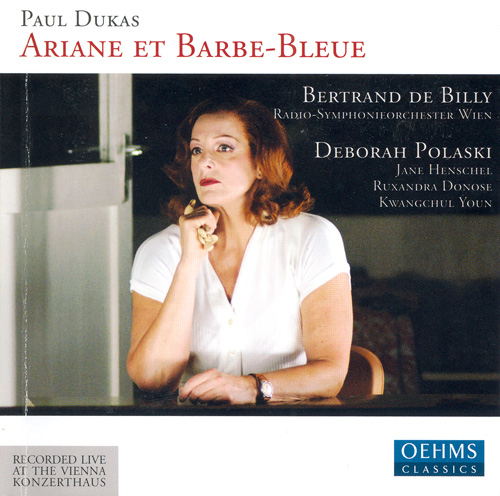
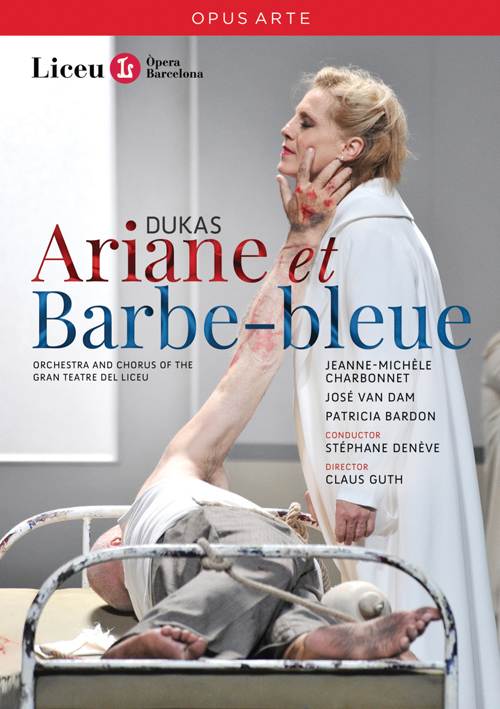
- Paul Dukas. Tale in three acts. 1907.
- Libretto by Maurice Maeterlinck after Charles Perrault.
- First performance by the Opéra-Comique at the Salle Favart, Paris, on 10th May 1907.
Ariane, taken by Bluebeard as his sixth wife, is given six silver keys to six silver doors, concealing Bluebeard’s treasures, revealed when the doors are opened for her by her nurse. A seventh golden key is to a forbidden door, which Ariane opens, revealing Bluebeard’s five former wives. Bluebeard, entering, threatens her, but is deterred when the central doors are opened for the peasants to come to her rescue. Going through the seventh door, Ariane and her nurse find the former wives. She breaks the windows that keep out the light and they follow her into the daylight. In the third act the wives, in the great hall, deck themselves in Bluebeard’s jewels. As he returns, he is seized by the peasants and bound. Ariane receives him in the castle and the wives see to his wounds. Ariane calls for a dagger to cut his bonds and as she leaves to go far away asks the wives if they will follow her. None is willing.
Carefully constructed, Ariane et Barbe-bleue invites comparison with Debussy’s Pelléas et Mélisande (Pelleas and Melisande), most obviously in the libretti, although the work of Dukas has its own originality, notably in orchestration.